What Are CCR&R Professional Development Services?
CCR&R supports providers with training and guidance that improve safety, quality, and daily practice in child care settings.
Services may help providers:
Understand Requirements
Learn Iowa HHS requirements and how to stay in compliance.
Build Development Plans
Create professional development plans that support long-term growth.
Track Training in
i-PoWeR
Monitor completed training and manage professional records.
Prepare for IQ4K
Get ready to participate in Iowa’s quality rating system.
Improve Classroom Practice
Strengthen routines, learning environments, and teaching strategies.
Support Behavioral Needs
Use tools to respond to challenging behaviors and support children.
Professional Growth & Training Pathways
CCR&R training pathways help providers build skills and track progress across career stages.
Training aligns with Iowa Early Learning Standards, Child Development Associate (CDA) Credential content areas, and other quality measures such as:
Core Competency Areas
Child Development
Understand how children learn and grow across age groups.
Health, Safety, and Nutrition
Support safe environments and healthy routines.

Learning and Curriculum
Plan activities that support development and learning goals.

Family Engagement
Build strong relationships and communication with families.

Program Management
Strengthen leadership, organization, and program operations.
Professional Ethics
Follow best practices and maintain professional standards.
Training aligns with the Iowa Early Learning Standards and Iowa Core Standards, helping providers apply learning in real settings.
For more information, contact your regional Professional Development Specialist:
i-PoWeR: Iowa's Professional Workforce Registry
i-PoWeR is Iowa’s professional workforce registry for early childhood and school-age programs.
Families, providers, and community partners can connect with Iowa CCR&R to:
Track Training
Keep a record of completed courses and certifications.
Register for Courses
Sign up for approved training opportunities.
Maintain Records
Store professional development history in one place.
Monitor Requirements
Track licensing and IQ4K progress.
Access Training Calendars
View statewide and regional training opportunities.
CCR&R staff can help with setup and navigation.
Foundational Core Professional Development Offerings
CCR&R provides foundational training opportunities for child care centers, child development homes, and school-age programs. Training options support providers at different career stages and across multiple care settings.
Training Options and Formats
CCR&R offers flexible professional development to support different schedules and learning styles.
Training Formats:
Live Virtual Training
Join real-time sessions from any location.
In-Person Training
Attend regional sessions with other providers.
Hybrid Learning
Combine online and in-person training options.
Self-Study Courses
Complete training on your own schedule.
Common training topics include:
Need help finding the right training or understanding requirements?
CCR&R Professional Development Specialists can help providers navigate training opportunities, professional development planning, and Iowa HHS requirements.
Iowa Child Care Resource & Referral (CCR&R) strives to ensure all training programs and materials align with applicable legislation, while acknowledging that legislation is ever-changing. Our focus remains on supporting early childhood education in a way that is respectful, welcoming, and aligned with legal guidelines.

Frequently Asked Questions
What is i-PoWeR?
i-PoWeR is Iowa’s workforce registry where providers can track training, register for courses, and manage professional development records.
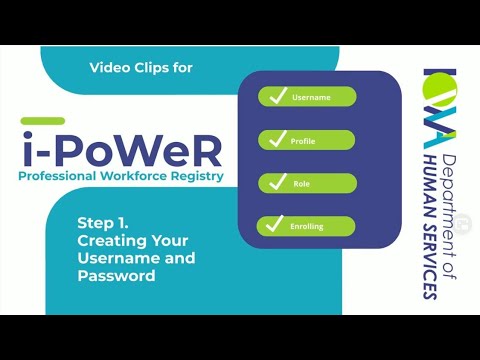
See our training videos to get started.
What professional development is required for Iowa child care providers?
Training requirements vary based on provider type, registration status, and Iowa HHS guidelines. Requirements may also depend on participation in programs like IQ4K, Iowa’s child care quality rating system.
Are CPR and First Aid certifications required for child care providers in Iowa?
Yes. Providers must maintain current CPR and First Aid certification based on Iowa HHS requirements.
What is Compass (ECERS, ITERS, SACERS and FCCERS)?
These tools are grouped under Compass (Environment Rating Scale Training), offered by Iowa State University Extension and Outreach.
CCR&R provides consultation support related to Compass and Environmental Rating Scale (ERS) practices.
ECERS focuses on preschool classroom environment rating, ITERS on infant-toddler environment rating, and FCCERS on family child care environment rating.
What is the Pyramid Model in early childhood education?
The Pyramid Model is an evidence-based framework that supports social, emotional, and behavioral development in young children and reduces challenging behavior.
CCR&R offers EC-PBIS training based on Pyramid Model practices.
Still Have Questions?
CCR&R Professional Development Specialists can help providers understand training requirements, explore training opportunities, and connect with statewide resources.